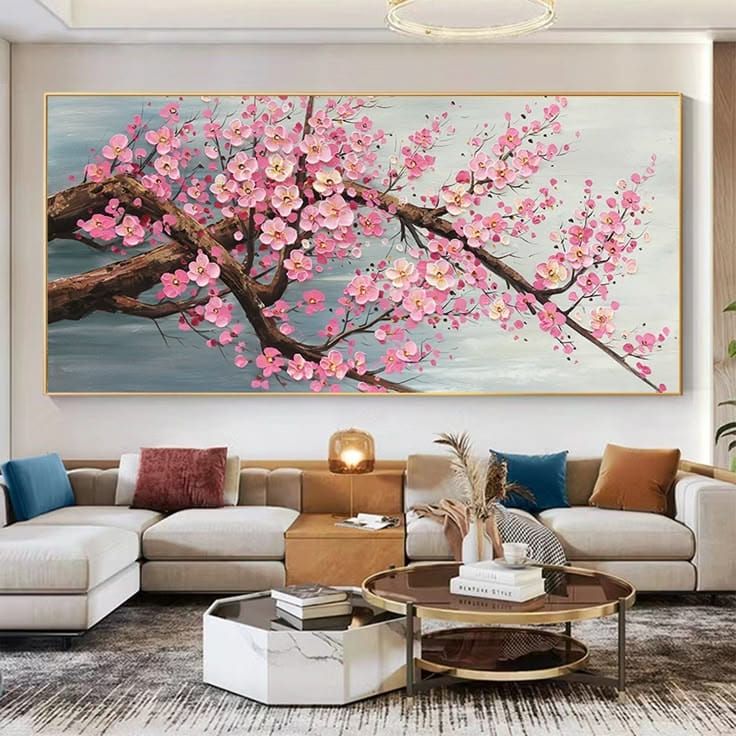
A custom mural can completely transform an ordinary wall into a statement piece. Whether you want a nature-inspired design for your home, an artistic wall for your workspace, or a creative mural for a business, the right design can add personality and character to the space. But with so many mural design ideas available, how do you choose one that actually works for your wall?
The key is to consider your space, style, colours, wall size and the feeling you want the mural to create. Here is a simple guide to help you choose the right custom wall mural for your space.
1. Consider the Purpose of Your Space
Start by thinking about where the mural will be painted and what you want it to achieve.
For a bedroom, you might prefer calming designs such as nature, florals or soft abstract artwork. A living room could work well with a bold statement mural, while a children’s room may suit playful illustrations, characters or colourful themes.
For offices, cafés, studios and shops, the mural can also reflect the personality of the business and create a memorable environment.
Ask yourself: What should someone feel when they look at this wall?
Your answer can help narrow down your design choices.
2. Choose a Mural Style That Matches Your Personality
The best custom mural is one that feels right for the space and the people using it.
Some popular custom mural design ideas include:
- Abstract murals
- Floral and botanical designs
- Nature-inspired artwork
- Geometric patterns
- Minimalist murals
- Character or illustration-based designs
- Traditional or cultural artwork
- Personalised artwork
- Hand-painted artistic designs
You don’t have to follow a particular trend. A custom mural gives you the freedom to combine ideas and create something unique.
Think About Your Wall Size and Dimensions
Before finalising a design, measure the wall carefully.
The wall dimensions can influence how the artwork should be arranged. A detailed design may look beautiful on a large wall but feel crowded on a smaller one. Similarly, a simple design may need additional elements to work well across a large feature wall.
Consider:
- Wall height and width
- Doors and windows
- Furniture placement
- Available empty space
- Where the mural will be viewed from
A good mural design should complement the wall rather than make the space feel overcrowded
4. Pick the Right Colour Palette
Colour plays a major role in how a mural changes the appearance of a room.
Look at the existing colour scheme, furniture, flooring and other elements before choosing your mural colours.
For a peaceful atmosphere, consider softer and natural tones. If you want the wall to become a focal point, stronger colours and contrasting shades can create more impact.
You can also choose colours based on the mood you want to create:
- Soft colours: Calm and relaxing
- Warm colours: Comfortable and inviting
- Bright colours: Energetic and playful
- Earthy colours: Natural and grounded
- Contrasting colours: Bold and dramatic
The goal is to create harmony between the mural and the rest of the space.
5. Decide Whether You Want a Personalised Design
One of the biggest advantages of a custom mural is that you don’t have to choose a ready-made design.
Your mural can include elements that have personal meaning, such as:
- Names or initials
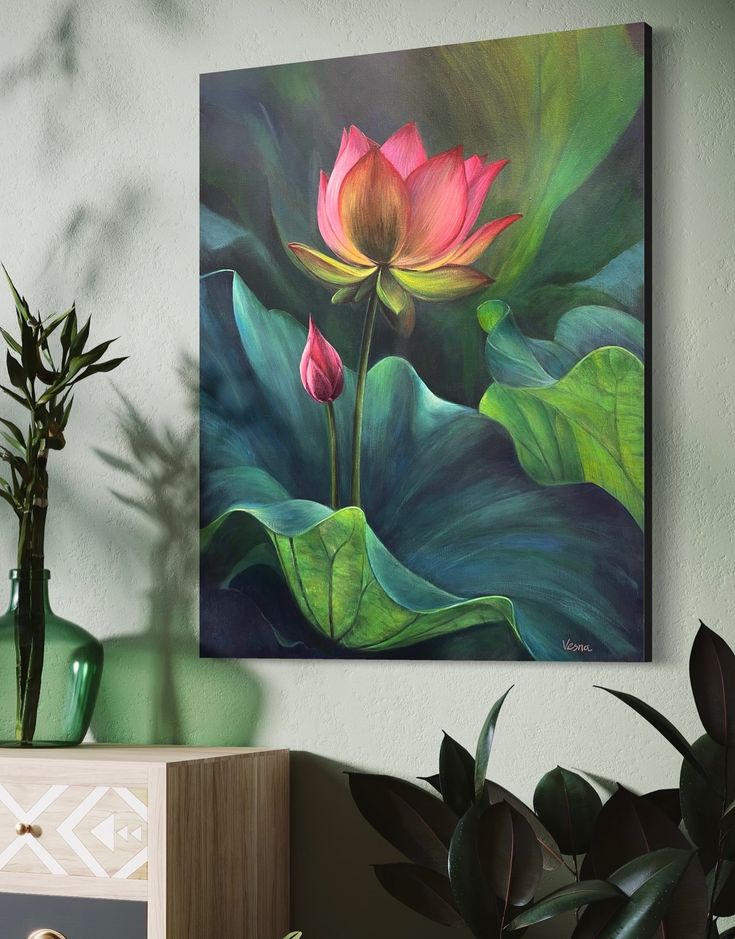
- Favourite flowers
- Family themes
- Travel memories
- Nature
- Quotes
- Characters
- Cultural elements
- Personal illustrations
A personalised wall mural can turn an empty wall into something that tells a story.
6. Think About the Mood and Focal Point
Before choosing the artwork, decide whether the mural should be the main focal point of the room or blend naturally into the existing decor.
If you want a statement wall, a larger central design with strong visual elements can work well.
If the goal is subtle decoration, consider a simpler composition with softer colours and fewer details.
Remember that a mural does not need to cover every part of a wall to make an impact.
7. Consider the Surrounding Interior Design
Your mural should work with the overall interior design of the space. For example, a minimalist room may suit a clean geometric or abstract mural, while a warm, natural interior could pair well with botanical or nature-inspired artwork.
Look at your:
- Furniture
- Curtains
- Lighting
- Flooring
- Wall colours
- Decorative elements
This helps ensure your custom wall art feels like part of the space rather than something added randomly.
8. Choose an Artist Who Understands Your Idea
Once you have a general concept, the next step is finding someone who can turn your idea into artwork.
A custom mural involves more than simply painting a design on a wall. The artist needs to consider the wall dimensions, composition, colours, surrounding space and your personal preferences.
At Kalarang, custom murals and personalised nameplates are part of our creative services. Our approach focuses on creating handcrafted artwork that adds character and an individual artistic touch to your space.
If you’re looking for other personalised creations, Kalarang also offers custom gifts, paintings, hand-painted T-shirts, keychains and fridge magnets.
9. Don’t Be Afraid to Combine Ideas
Your mural doesn’t have to fit into one category.
You can combine different concepts to create a design that feels completely yours. For example, a nature-inspired mural can include geometric elements, or a floral design can incorporate personalised details.
The purpose of a custom mural painting is to create something that suits your space, so don’t be afraid to experiment.
Turn Your Wall Into Your Own Piece of Art
Choosing the right mural design doesn’t mean finding the trendiest artwork. It means finding a design that fits your space, personality and story.
Whether you have a clear concept in mind or only a rough idea, a custom mural gives you the opportunity to turn an ordinary wall into something personal and creative.
Explore Kalarang’s handmade creations and discover how art can add colour and personality to your space.
Want to create a custom mural? Get in touch with Kalarang to discuss your idea.